
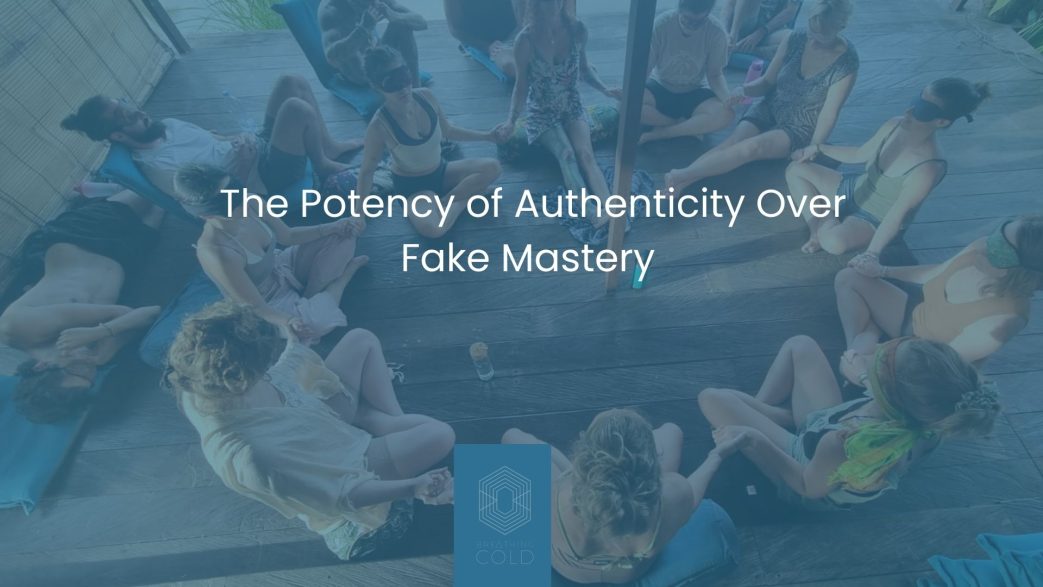
Authenticity in Breathwork: Why Real Facilitators Matter More Than Perfect Leaders
Every few years, collective shock ripples through society.
A public figure admired as wise, enlightened, or morally elevated is revealed to be… human.
People react with disbelief. Disappointment. Outrage.
But what surprises me most is not the revelation.
It’s that we are still surprised.
Again and again, we place leaders on pedestals — spiritual teachers, wellness influencers, breathwork facilitators — expecting them to live above human complexity. We label people as good or bad, master or fraud, awakened or corrupt.
Yet humans are paradoxical beings.
The real issue is not that leaders turn out to be human.
It’s that we expect them not to be.
And in the world of breathwork, trauma healing, and facilitator training, this expectation can become dangerous.
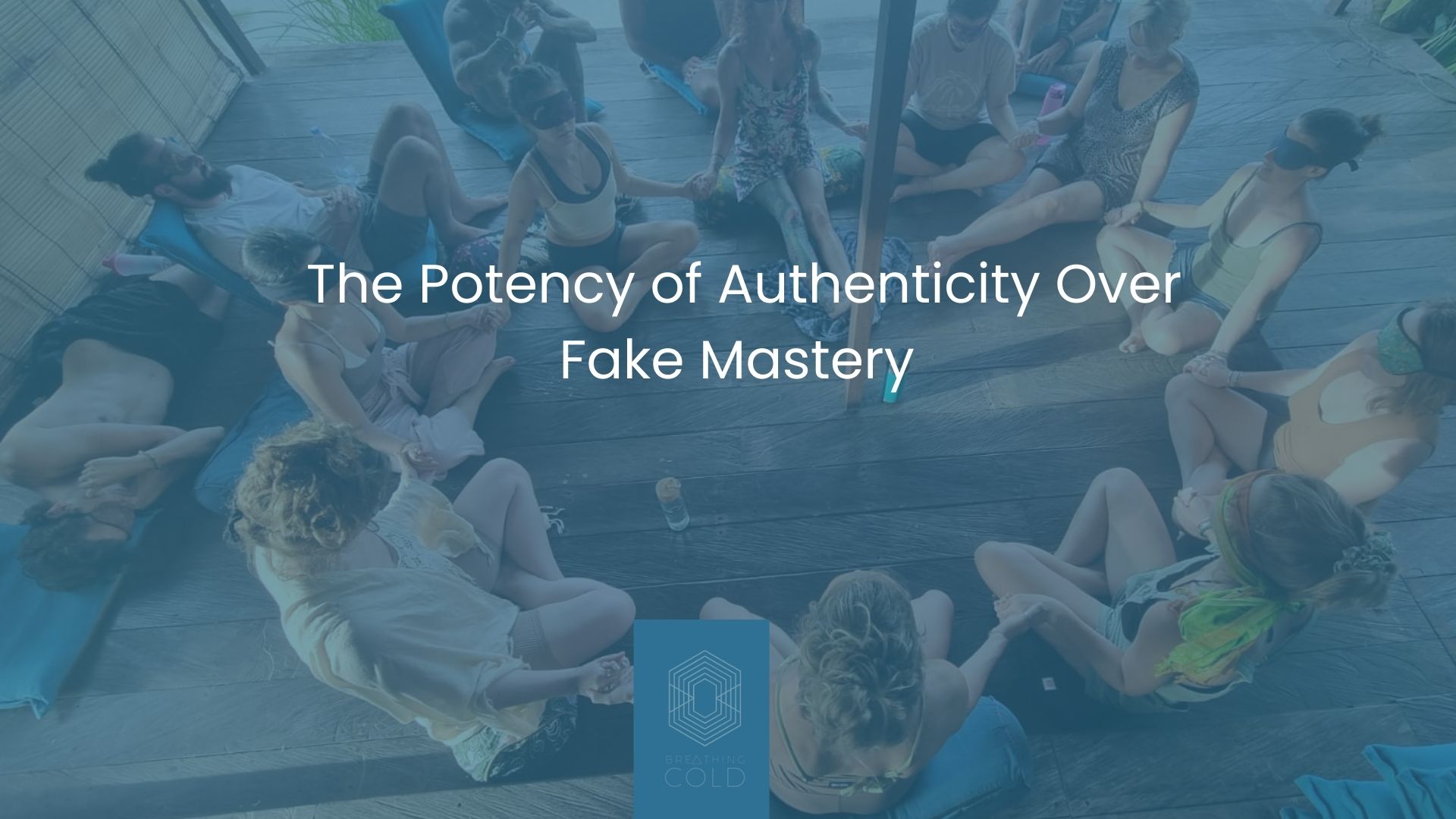
The Illusion of the Perfect Breathwork Facilitator
When we idolize a guide, we unconsciously give away our power. We start looking outward for authority instead of inward for truth.
In the wellness and breathwork industry — especially with the rapid growth of breathwork facilitator certifications over the last few years — charisma can easily be mistaken for competence.
But powerful marketing does not equal trauma-informed facilitation.
Pedestals are dangerous structures.
Not because people fall from them —
but because we built them in the first place.
At BreathingColdBali, our breathwork workshops and facilitator trainings are built on a radically different foundation:
We don’t create superior leaders.
We cultivate authentic, trauma-informed facilitators.
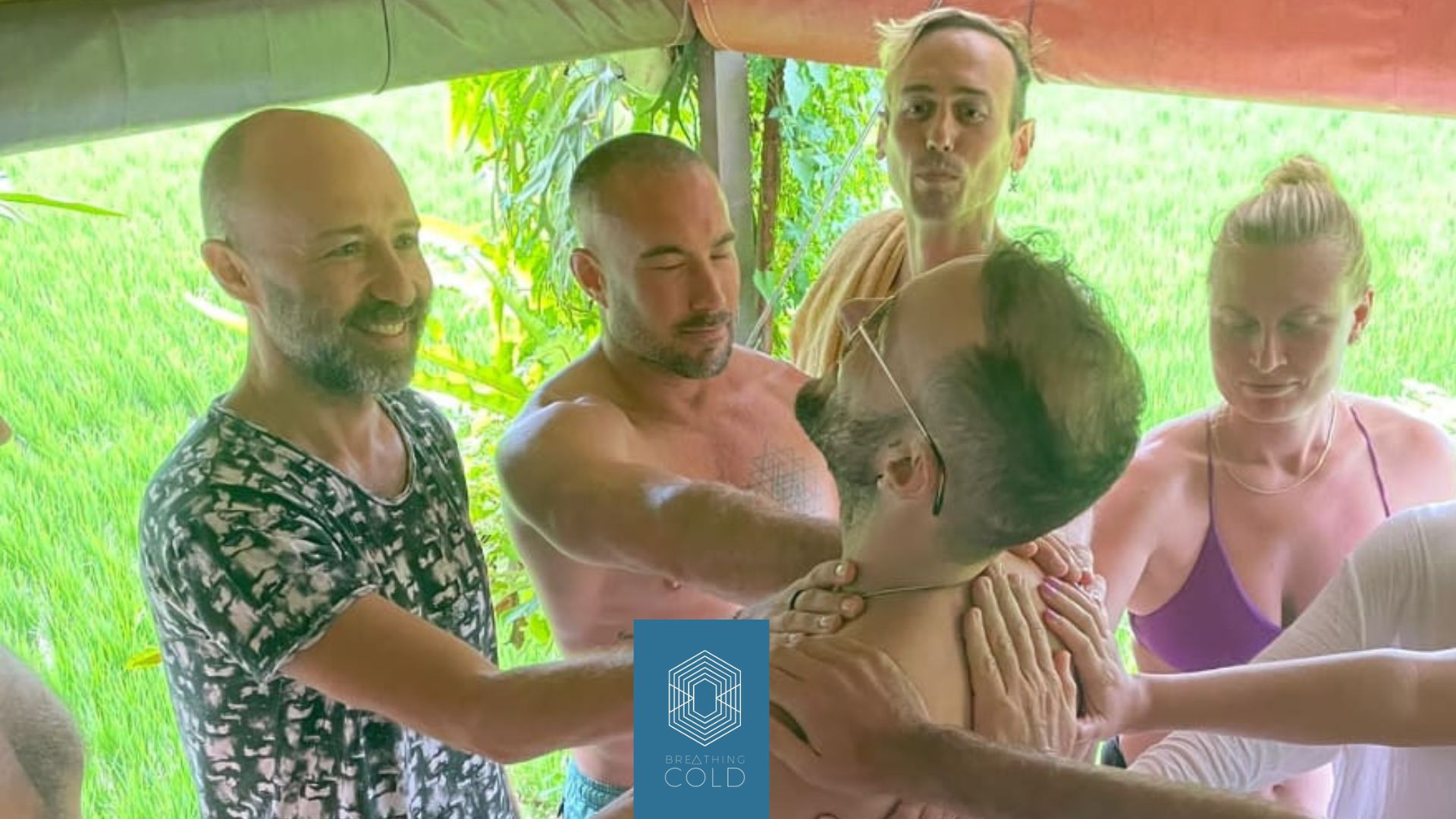
Why Authenticity Creates Nervous System Safety
A facilitator who pretends to have it all together creates distance.
A facilitator who shows their humanity creates permission.
In trauma-informed breathwork and cold exposure work, nervous system regulation is everything. Participants do not open because someone appears perfect. They open because they feel safe.
When a guide is honest about their process, their growth, their edges — something powerful happens:
Participants exhale.
Masks drop.
Armor softens.
Truth surfaces.
Authenticity is regulating.
Perfection is intimidating.
When facilitators show up as grounded humans rather than elevated authorities, participants stop focusing on the facilitator and start reconnecting to themselves.
And that is where real transformation happens.
Because what heals is not the facilitator.
What heals is the container.
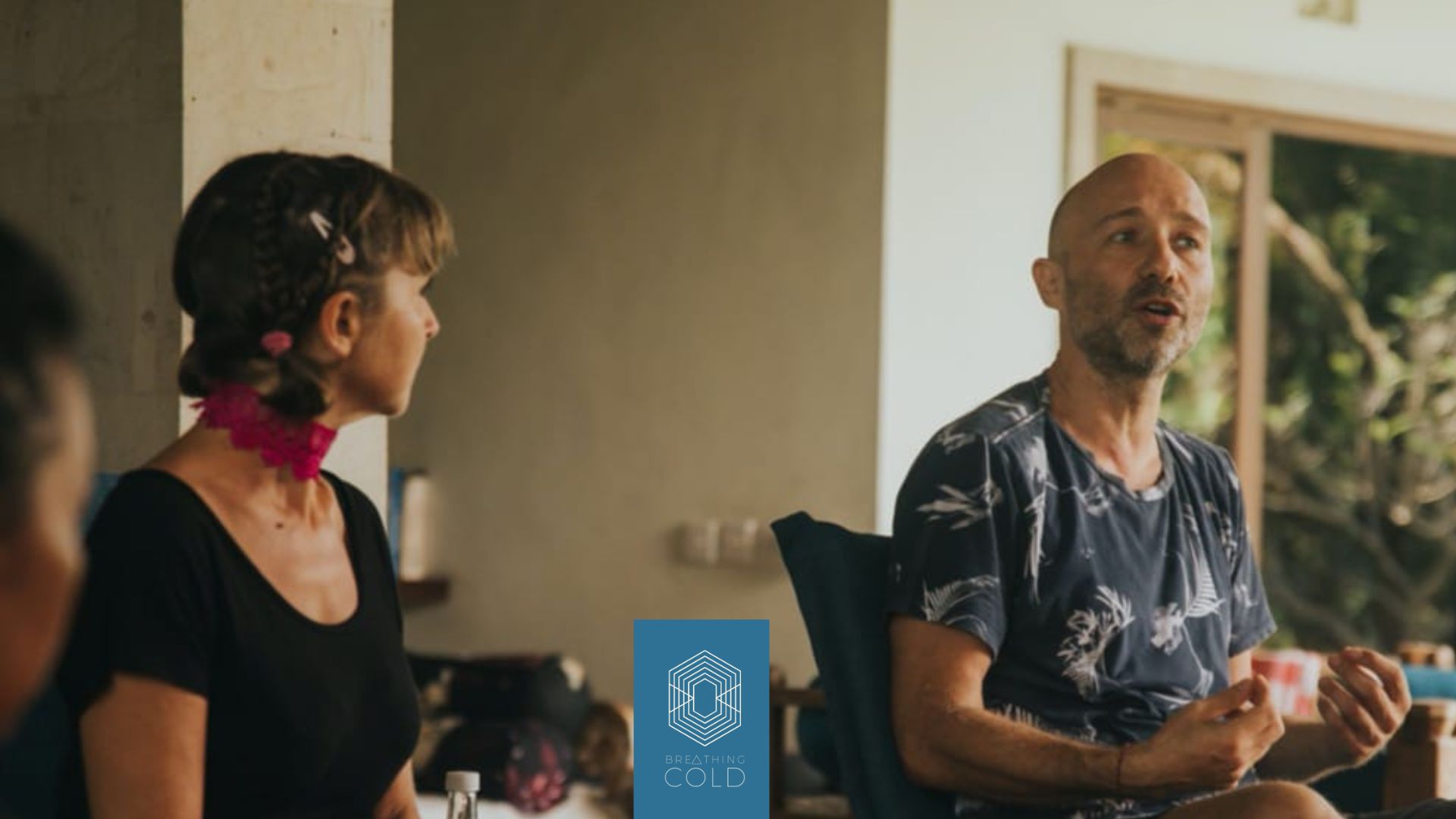
The Real Medicine: Safe Container & Ethical Facilitation
In professional breathwork training and trauma-informed facilitation, transformation does not come from charisma.
It comes from structure.
It comes from ethical agreements that create psychological and physiological safety.
In our breathwork workshops in Bali and our online facilitator training, we operate with clear principles:
-
No advice giving
-
Radical responsibility
-
Equal airtime
-
One speaker at a time
-
Speaking from the heart rather than analysis
-
Confidentiality
-
Sharing resonance instead of judgment
These container agreements regulate the relational field.
When safety is established, the nervous system shifts from defense to openness.
And when safety is real, repressed emotions begin to surface — not through force, but through permission.
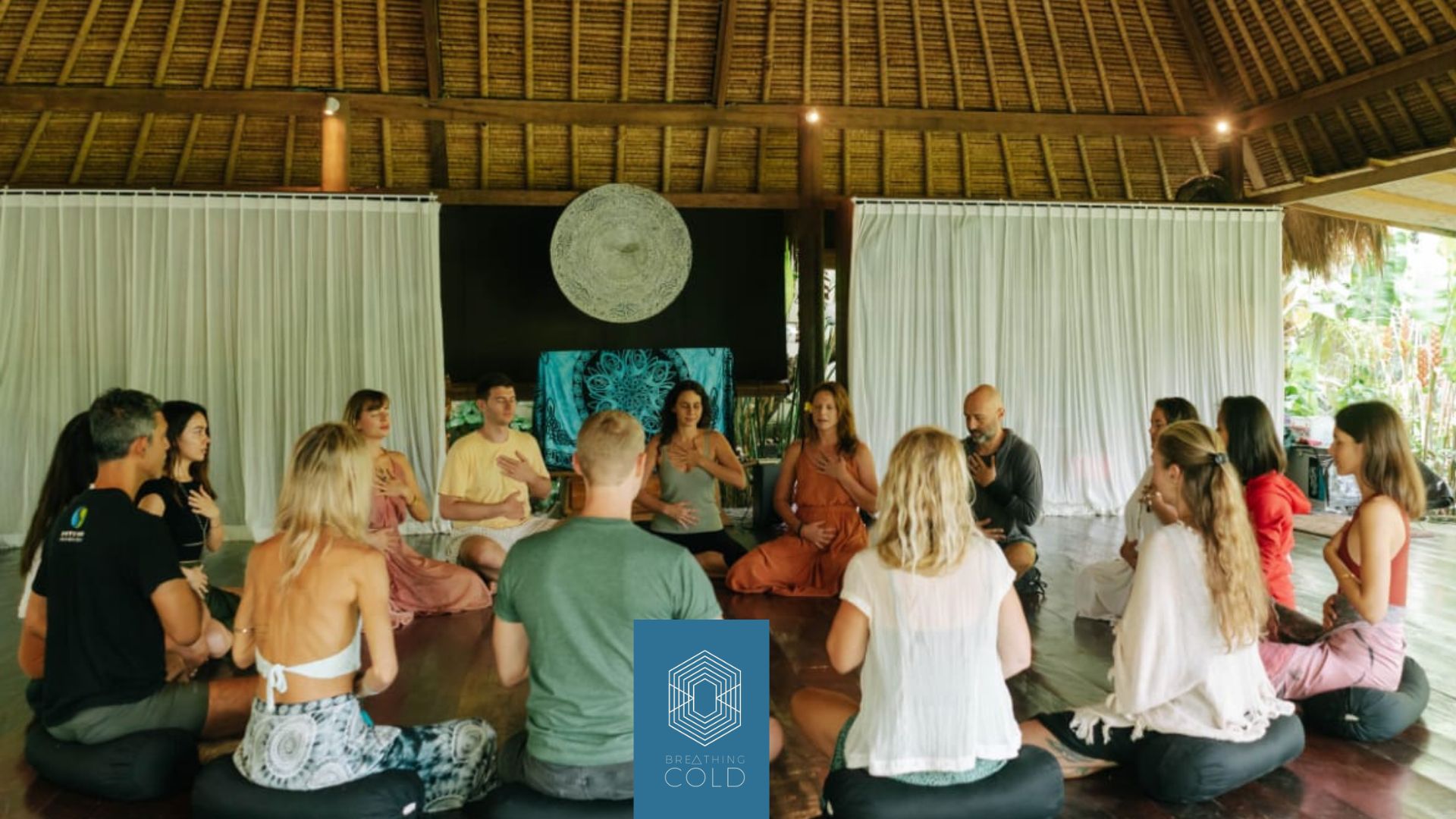
Breathwork, Cold Exposure & Emotional Mastery
Most people don’t repress emotions because they want to.
They repress because it once wasn’t safe to feel.
Trauma-informed breathwork and conscious cold exposure are powerful tools because they work directly with the autonomic nervous system. When guided ethically, they allow participants to access stored tension and emotional charge in a way that feels supported and contained.
In these spaces, we witness profound shifts:
Fear dissolves.
Shame softens.
Guilt loosens.
Self-judgment fades.
People leave not “fixed,” but reconnected — to their body, their breath, and their inner authority.
Not because someone healed them.
But because they felt safe enough to meet themselves.
The Future of Breathwork Facilitation
The world does not need more glorified spiritual leaders.
It needs grounded, ethical, trauma-informed facilitators.
Facilitators who understand:
-
Nervous system regulation
-
Window of tolerance
-
Trauma theory
-
Safe group dynamics
-
Ethical boundaries
-
Integration support
Authenticity is not weakness in facilitation.
It is the transmission.
If you are considering a breathwork facilitator training, ask yourself:
Does this training teach safety?
Does it teach humility?
Does it model real humanity?
Or does it sell performance?
Experience Authentic Breathwork in Bali or Online
If you feel called to experience a trauma-informed breathwork workshop rooted in authenticity and nervous system safety, here are upcoming opportunities:
• 2-Day Breathwork & Cold Exposure Immersion in Ubud, Bali
• Online breathwork sessions for those outside Bali
• Breathwork Facilitator Training:
— In-person in Bali
— India immersion
— Online self-paced certification
Explore upcoming dates and details at:
https://www.breathingcoldbali.com
Real facilitation is not about appearing elevated.
It is about being embodied.
Present.
Ethical.
Human.
And that is where the real power of breathwork begins.